
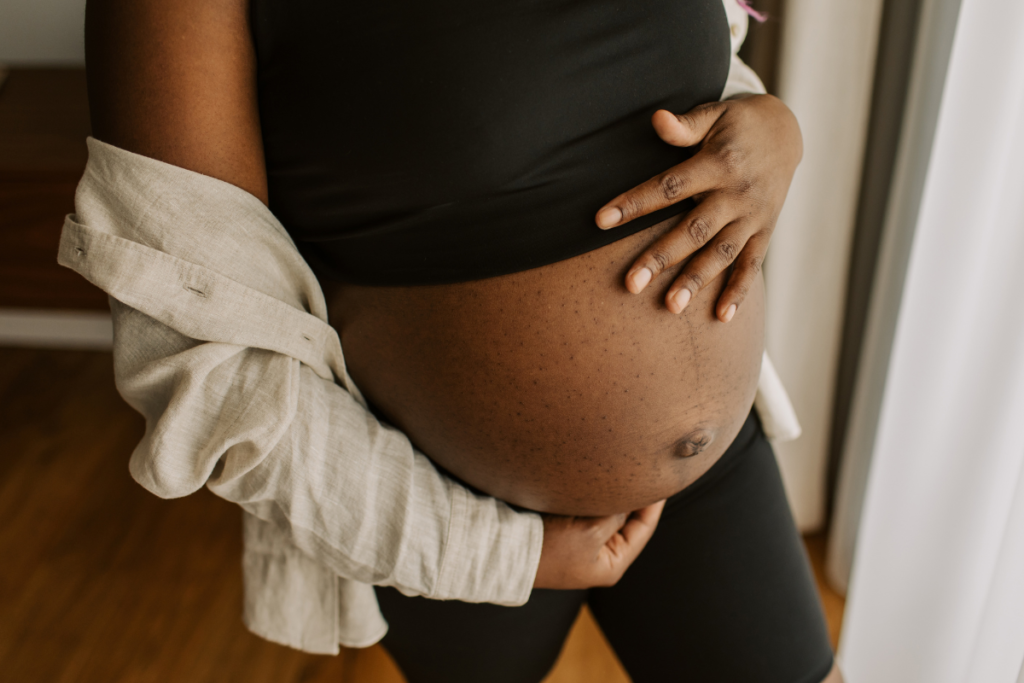
A weakened pelvic floor can put a serious dampener (literally) on many activities. If you are pregnant, have recently had a baby or, in fact, if you have ever had a baby, you are more at risk of pelvic floor problems.
The pelvic floor forms the foundation of your body’s core, supporting vital organs like the bladder, bowel, and uterus. It plays a key role in bladder control, sexual function, and even posture. Whether you’re pregnant, postpartum, or simply navigating life after having children, maintaining a strong pelvic floor is essential for overall well-being.
Signs of Pelvic Floor Problems
You may notice signs like:
- Accidental urine leaks during activities like coughing or laughing.
- Frequent or urgent trips to the toilet.
- A feeling of heaviness or discomfort in the pelvic area.
- Painful or unsatisfying sexual experiences.
- A visible or felt bulge indicating a prolapse.
If these symptoms resonate, pelvic floor exercises and support tools could help.
Strengthen Your Pelvic Floor
Performing pelvic floor exercises can improve strength and control:
- Quick Lifts: Contract your pelvic floor muscles quickly, then release.
- Hold and Release: Squeeze and hold for up to 10 seconds before relaxing.
- Repetition: Perform 8–12 repetitions, three times daily.
Consider Smart Tools
SmartBalls are weighted devices designed for pelvic floor training during daily activities. They promote muscle tone and prevent issues like bladder weakness.
Exercises to Avoid
Some activities can strain the pelvic floor:
- High-impact exercises like running, jumping, or tennis.
- Abdominal crunches or sit-ups.
- Heavy lifting without proper technique.
Instead, opt for low-impact options like yoga, Pilates, or swimming.
When to Seek Professional Help
If symptoms persist after 3–6 months of exercises, consult a women’s health physiotherapist or continence advisor for tailored support.
Pregnancy and Pelvic Health
Pregnancy adds pressure on the pelvic floor. Start pelvic floor exercises early, avoid high-impact activities, and maintain good posture to support your core.
Early Pregnancy Signs
Common early signs include fatigue, nausea, and frequent urination. If you suspect pregnancy, take a test or consult your GP.
Fun Baby Facts
- No kneecaps at birth: Babies develop kneecaps around six months old.
- 300 bones: Newborns have more bones than adults, which later fuse.
- Tearless cries: Newborns don’t produce tears for the first few weeks.
By following these tips and making pelvic floor health a priority, you’ll feel more in control and confident in your body. If symptoms persist, don’t hesitate to seek professional guidance—it’s a crucial step toward long-term well-being.