
Folic acid is essential for a healthy pregnancy, yet many women may not realise its significance until it’s too late. Daily intake of folic acid can dramatically reduce the risk of Neural Tube Defects (NTDs), such as spina bifida and anencephaly, by up to 70%. Here’s why folic acid is a must-have for every woman planning to conceive.
What is Folic Acid?
Folic acid is the synthetic form of folate, also known as vitamin B9. While everyone needs folate for proper body function, it becomes especially crucial during early pregnancy. Within the first few weeks, folic acid supports the proper formation of your baby’s brain and spinal cord.
How Much Folic Acid Do You Need?
For Everyday Health:
- 400 micrograms (mcg) per day for most women.
For Pregnancy and Pre-Conception:
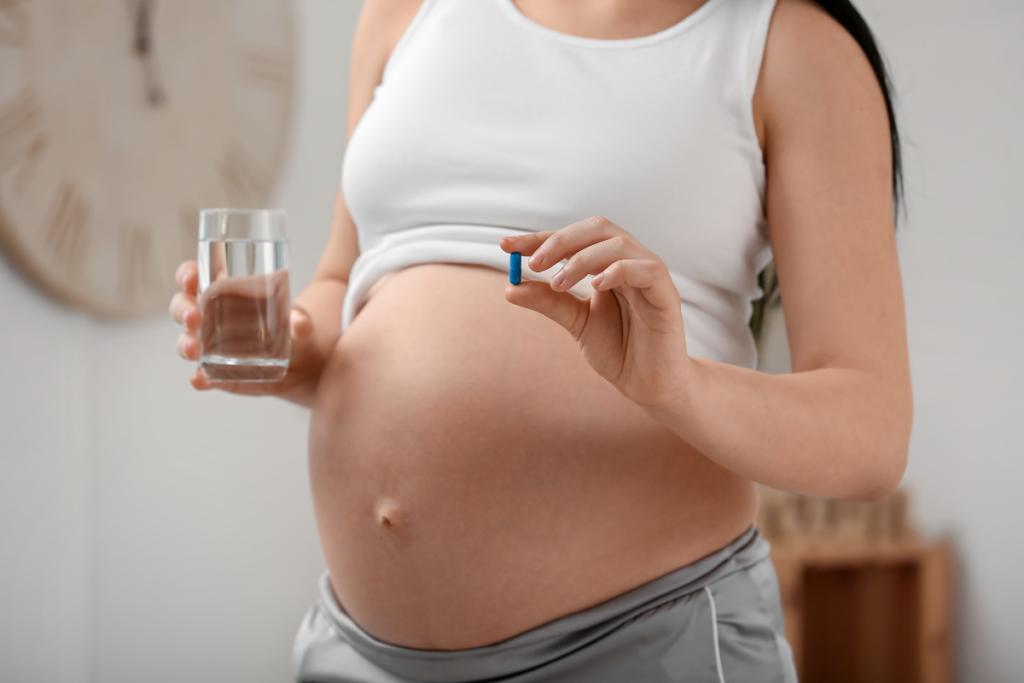
- 800mcg daily for at least four weeks before conception and the first 12 weeks of pregnancy.
For Higher Risk Women:
- If NTDs run in your family, a 5mg daily dose may be recommended. Consult your healthcare provider.
Folic acid is water-soluble, meaning it isn’t stored in the body and must be replenished daily. Overdosing is highly unlikely since excess amounts are naturally flushed out.
Natural Folate vs. Folic Acid: Which is Better?
While folate occurs naturally in food, it isn’t as effectively absorbed by the body as folic acid. This is why women are advised to take the synthetic version to ensure they meet daily requirements, especially during pregnancy.
How to Get Folate Naturally
Folate can be found in:
- Leafy green vegetables (spinach, kale, broccoli)
- Citrus fruits (oranges, lemons)
- Legumes (lentils, chickpeas, beans)
- Wholegrain bread and cereals
- Liver and nuts
However, relying solely on diet can be challenging. For instance, you’d need to eat 500g of raw spinach daily to meet the recommended amount of folate for pregnancy, making supplementation essential.
Other Pregnancy Health Tips
Managing Heartburn During Pregnancy
Over half of pregnant women experience heartburn, especially in the second and third trimesters. Here’s how to reduce it naturally:
- Eat small, frequent meals instead of three large ones.
- Avoid fatty, fried, spicy, or rich foods, as well as chocolate and caffeine.
- Drink liquids between meals, not during.
- Avoid lying down directly after eating.
- Try caffeine-free peppermint tea to soothe digestion.
- Raise the head of your bed slightly for better stomach positioning.
- Wear loose-fitting clothing to reduce abdominal pressure.
Pregnancy-related heartburn usually resolves after childbirth, but these tips can help you stay comfortable in the meantime.
Quick Facts About Folic Acid
- Timing matters: Start taking folic acid at least four weeks before trying to conceive.
- Food isn’t enough: Supplements ensure you meet daily requirements.
- Benefits for baby: Proper brain and spinal cord development.
Taking folic acid before and during pregnancy is one of the simplest yet most effective ways to ensure your baby’s health. Pair this with a well-balanced diet, regular check-ups, and other pregnancy-friendly habits for the best start to your motherhood journey.
Remember, the little things you do today have a significant impact on your baby’s future.