
Summer is just around the corner, bringing warmer weather and more opportunities for water fun with children. However, with so much time spent in and around water, it’s important to be mindful of water safety to ensure a safe and happy summer.
Drowning is one of the leading causes of child deaths in New Zealand, so taking proactive steps to protect your little ones is essential. While water can be enjoyed, it must also be respected. Here are some essential water safety tips to help keep your tamariki safe:
General Water Safety Tips
- Active Supervision: Your child should always have constant, active adult supervision near water, whether it’s the bath, swimming pool, paddling pool, spa pool, lake, river, or sea. Keep babies and toddlers within arm’s reach at all times.
- Avoid Distractions: Put away your phone and avoid relying on older children for supervision, as they can easily be distracted.
- Teach Respect for Water: As soon as your child is old enough to understand, teach them to stay close to a grown-up near water and explain the importance of respecting it.
- Be Aware of Depth: A child can drown in as little as 4cm of water—less than the length of your finger—and it can happen in under two minutes.
Safety at Home and in the Garden
- Secure the Pool: If you have a swimming pool, ensure it’s properly fenced and complies with safety regulations. Check that gates close securely and safety latches work correctly.
- Empty and Secure Containers: Empty baths, paddling pools, and containers as soon as they’ve been used. Turn items like buckets or wheelbarrows upside down to prevent water from collecting.
- Non-Slip Mats: Use non-slip mats in baths or showers to reduce the risk of slips and falls.
Tips for Trips to the Beach, River, or Lake
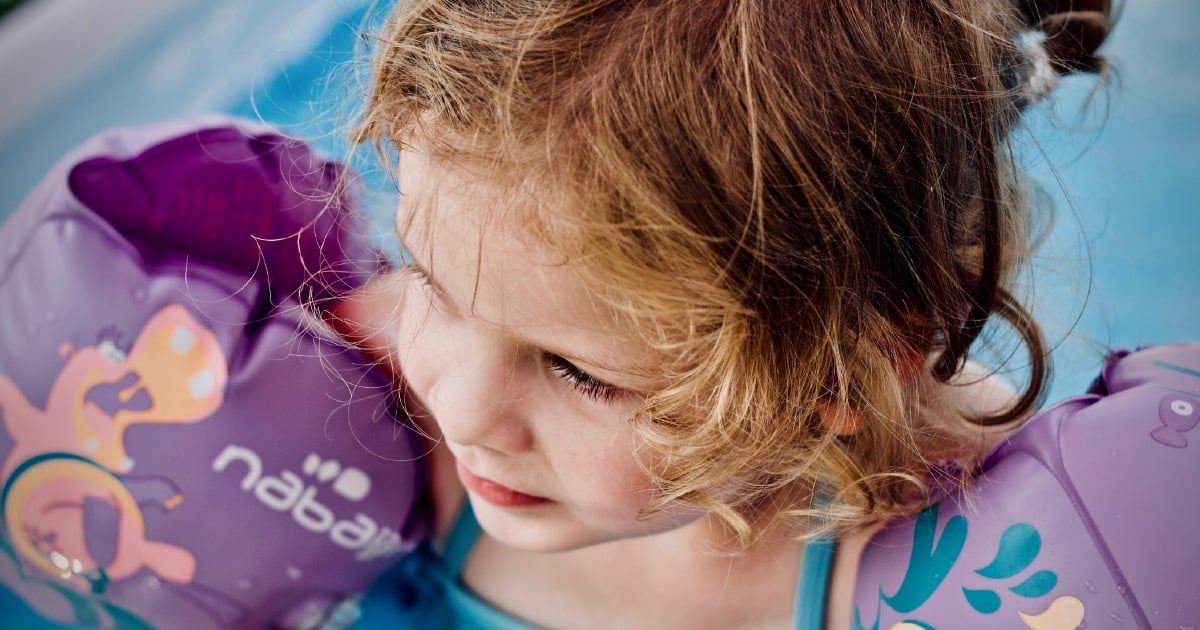
- Wear Life Jackets: Life jackets should fit snugly and have a crotch strap. Encourage children to wear them not only on boats but also around water for extra safety.
- Understand Water Risks: Teach your child about currents, rips, and other hazards in natural water settings. Show them how to recognise and avoid these dangers.
- Stay Sun-Smart: Protect children from the sun by using sunscreen, hats, and shade. Hydration is just as important as safety when spending long hours outdoors.
Learning and Practice
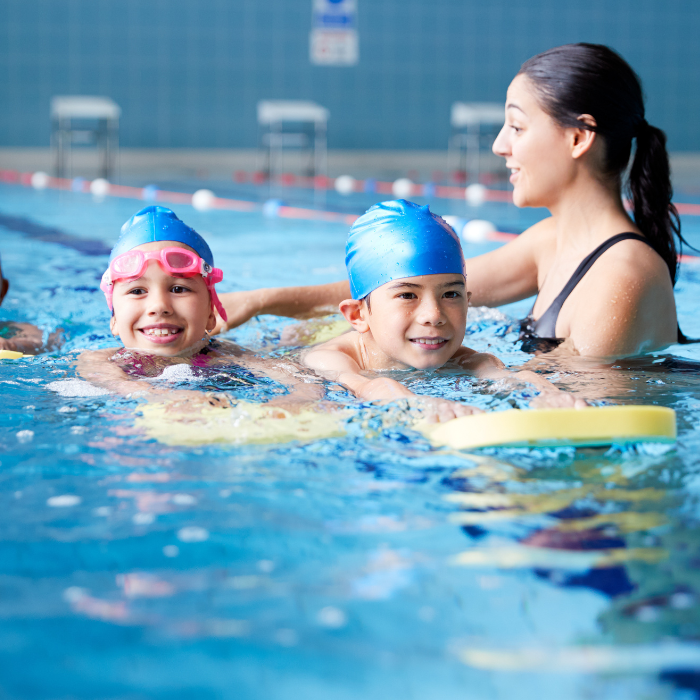
- Swimming Skills: Start teaching your child water skills early by visiting a pool for fun splash time. Familiarity with water can build confidence and lay the foundation for future swimming lessons.
- Practice Emergency Responses: Teach basic water safety skills such as floating on their back or how to call for help if they’re in trouble.