

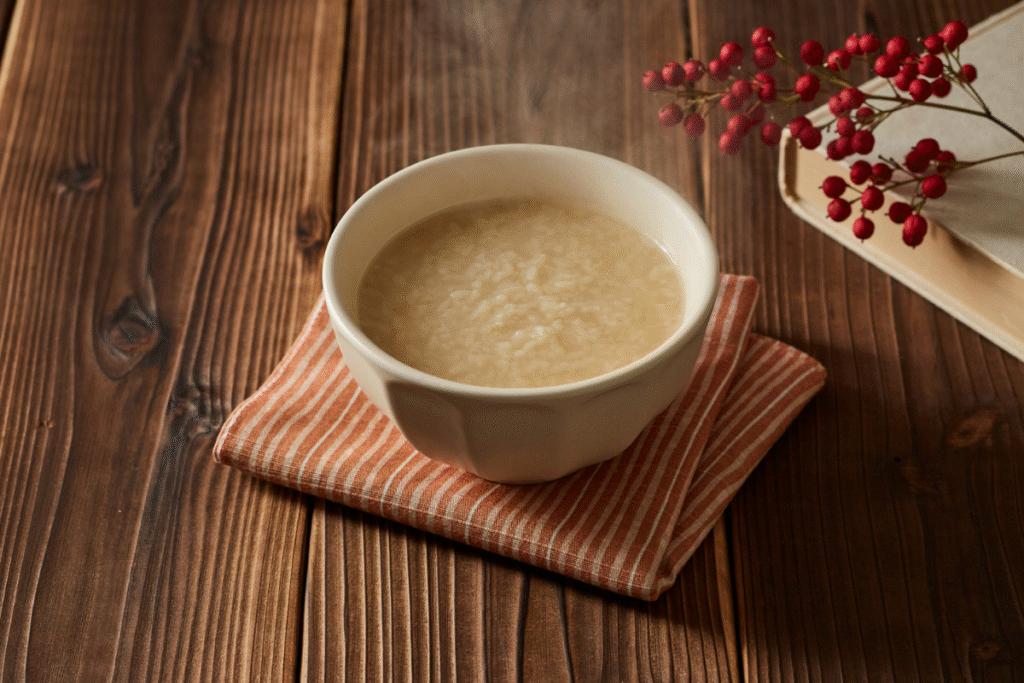
Traditional Chinese health thinking sees winter as a season of rest and renewal. Like a tree drawing its energy down into its roots, our bodies are designed to slow down, go inward, and recharge. That means eating warming foods, staying cosy, going to bed a little earlier, and looking after your digestion — which is thought to be the body’s main energy engine.
The great news? Most of these tips are things families already love doing in winter. Think hearty soups, slow mornings, warm drinks by the fire, and early nights.
Warm drinks are your family’s best friend
One of the simplest (and most important!) ideas in Chinese health is this: keep warm from the inside. Cold drinks and icy treats are thought to dampen your digestive fire — your body’s ability to turn food into good energy. In winter especially, swap the icy water for something warm.
🫖 Warm water: Plain warm water first thing in the morning works to wake up digestion gently
🍵 Ginger tea: A classic warmer and great for tummies and circulation
🍋 Honey & lemon: Soothing, nourishing, and the kids will love it
🌼 Chrysanthemum: A gentle, floral herbal tea that is caffeine-free and calming
🍎 Warm apple juice: Gently heated with a pinch of cinnamon can feel like a surprisingly yummy treat for kids
🥛 Warm milk: With a little honey at bedtime is deeply nourishing
>> Quick tip for families: Try making “morning warm water time” a family ritual — even little ones can have warm water or herbal tea while adults have their morning brew. It’s a lovely way to start the day together and gets everyone’s digestion moving.
Eat big at breakfast, big at lunch — and lighter at dinner
This is one of the most practical ideas from Chinese health thinking, and it’s backed up by modern nutrition science too. Your digestive energy is strongest during the daytime — so that’s when you want to load up on nourishing, hearty food. By evening, your body is winding down, so a lighter meal means better sleep and better energy the next day.
BIG BREAKFAST: Think warm porridge (made with oat, rice, or quinoa), eggs, wholegrain toast, or a hearty smoothie (as long as its not ice cold). Don’t skip it! This is when your body is most ready to use energy.
STRONG LUNCH: Lunch should be your most substantial meal of the day — a proper, satisfying plate built around a good source of protein, with plenty of vegetables and a warming carb like rice, noodles, or bread. Think of it as the meal that powers your whole afternoon. Good protein options to build lunch around: chicken or beef stir-fry, baked salmon or fish, eggs (boiled, fried, or in a frittata), lentil or bean soup, tofu with rice, slow-cooked lamb, tuna or sardines on toast.
LIGHT DINNER: A lighter dinner — soup, steamed veggies, a small serve of protein — lets your body rest and recover overnight rather than spending all night digesting.
Fill your kitchen with these winter superstars
Chinese health wisdom groups foods by their warming or cooling effect on the body. In winter, lean towards warming, nourishing foods that build energy and keep the whole family feeling strong.
🧅 Garlic & onion
🫚 Ginger
🥕 Root vegetables: Carrot, pumpkin, kumara
🍖 Bone broth & stocks
🌰 Walnuts & chestnuts
🫘 Black beans
🐟 Oily fish: Salmon, sardines
🥦 Cooked greens
>> The magic of congee: this simple rice porridge is the ultimate Chinese comfort food and one of the best things you can make for your family in winter. Simmer rice in lots of water or stock until creamy, then top with whatever you like: soft eggs, shredded chicken, spring onion, a drizzle of sesame oil. Even fussy eaters tend to love it, and it’s incredibly gentle on little tummies.
Small habits that make a big difference
You don’t need to overhaul your whole routine — just a few small shifts can help the whole family feel warmer, more energised, and healthier all winter long.
🌅 Go to bed a little earlier
Winter nights are longer for a reason. Try shifting bedtime 30 minutes earlier — especially for kids. Earlier sleep means deeper rest and better immunity.
🧦 Keep your feet warm
In Chinese medicine, cold enters the body from the feet. Warm socks, slippers at home, and a warm foot soak before bed are surprisingly powerful habits.
🚶Move gently every day
A gentle walk, some stretching, or a bit of yoga keeps energy moving without overworking the body. Avoid intense exercise on very cold days if possible.
🌬️ Protect the back of your neck
Scarves aren’t just fashion! The back of the neck is considered a key entry point for cold and wind — keep it covered when you’re out in cold or windy weather.
😴 Rest is productive
Winter is a time to recharge. It’s actually good for kids (and parents!) to have more quiet time, reading, puzzles, and cosy evenings instead of rushing around.
🍜 Cook everything warm
In winter, favour soups, stews, stir-fries, and casseroles over cold salads and raw foods. Cooking makes food easier to digest and warms you from the inside out.
⏰ Eat meals at regular times
Your digestive system loves routine. Regular mealtimes help your body know when to produce digestive energy — better for mood, focus, and immunity. Aim to have dinner done before 6.30–7pm so your body has time to wind down before sleep.
🧘 Less rushing, more breathing
Stress depletes energy quickly. Even five minutes of slow, deep breathing together as a family can help reset everyone’s energy and calm a busy household.
The tips in this article are loosely inspired by general wellness ideas that have roots in Chinese health traditions — they are not a direct or exact representation of traditional Chinese medicine. They’re meant to complement, not replace, your GP’s advice. As always, if your child or family member is unwell, check in with your healthcare provider🧡