

Most children will face fears at some stage, whether real or imagined. As parents, we play a crucial role in helping them navigate these feelings and develop the resilience to face challenges confidently.
Why Do Children Experience Fear?
Children are new to the world and often lack the knowledge and control needed to navigate it. This makes them susceptible to feeling vulnerable. Fear can stem from real threats (e.g., heights) or imagined ones (e.g., monsters under the bed).
Fears commonly seen in childhood include:
- Fear of the dark
- Strangers
- Heights
- Animals or insects
- Being left alone
While fear often manifests as clinginess, nightmares, or physical symptoms like an upset stomach, it also has positive aspects. Fear heightens alertness, enabling safer decision-making.
Helping Your Child Through Fear
Respect and Acknowledge Their Feelings
It’s essential to validate your child’s emotions. Let them know it’s okay to feel scared and that you are there to support them.
Age-Appropriate Responses
Understanding common fears at different stages can help tailor your approach. For instance:
- Preschoolers: Use simple explanations for abstract fears like monsters.
- Older Children: Offer logical reassurances and practical strategies for reality-based fears like storms.
Encourage Questions and Open Communication
Encourage your child to express their fears by asking questions like, “What scares you about this?” Use drawings, stories, or puppets to help younger children articulate their feelings.
Reframe Negative Thoughts
Turn fears into opportunities for problem-solving. For example, if they fear monsters, you can “equip” them with tools like a “monster-repelling spray” (a spray bottle with water).
Introduce Coping Tools
Help your child build confidence with tools and strategies:
- A nightlight to ease fear of the dark
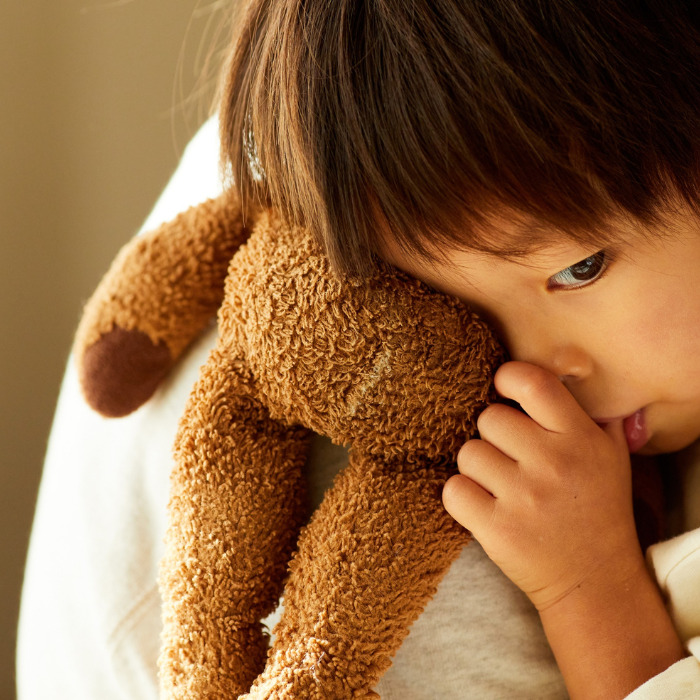
- A special stuffed toy for comfort
- Deep breathing exercises to manage anxiety
Role-Playing Scenarios
Create a safe environment for practice. Role-play situations they fear, such as visiting the doctor or interacting with a dog.
Celebrate Progress
Acknowledge your child’s bravery when they face their fears, no matter how small the step.
When to Seek Professional Help
Some fears fade with time, but persistent or intense fears (phobias) may require professional support. Look out for:
- Extreme avoidance of situations
- Physical symptoms like frequent headaches or stomach aches
- Disruptions to daily life
Consult a child psychologist or therapist to help your child develop coping strategies.
Understanding Fear by Age
Infants (0–2 years)
- Common fears: Sudden noises, separation anxiety, and unfamiliar faces.
- How to help: Build trust through consistency and reassure them you will return.
Toddlers and Preschoolers (2–4 years)
- Common fears: The dark, loud noises, and strangers.
- How to help: Use nightlights, offer comfort items, and gradually introduce them to new experiences.
Young Children (5–6 years)
- Common fears: Monsters, separation, and losing parents.
- How to help: Validate their feelings, use imaginative tools like “monster spray,” and reinforce safety.
Older Children (7–12 years)
- Common fears: Natural disasters, bodily harm, and death.
- How to help: Provide logical explanations and focus on actionable steps to feel safe, like emergency plans.
Teens (13+ years)
- Common fears: Social acceptance, academic performance, and failure.
- How to help: Foster open communication, teach stress-management techniques, and focus on building self-esteem.
Practical Strategies for Specific Fears
- Fear of the Dark:
Introduce a bedtime routine with calming activities. Use a nightlight or glow-in-the-dark stars for comfort. - Fear of Animals:
Teach safe interactions with pets. Visit a petting zoo to build positive experiences gradually. - Fear of Separation:
Use goodbye rituals and gradually increase the time spent apart. Reassure them of your return. - Fear of Failure:
Emphasize effort over outcomes. Celebrate their attempts and reinforce that mistakes are part of learning.
Childhood fears are a natural part of development. With patience, understanding, and the right strategies, you can guide your child through these challenges and help them develop the confidence to face the world. Remember, most fears are temporary, and with your support, your child will grow stronger and more resilient.
Paula Galey (M Ed Psych (hons) Hdip Tchg) is a teacher who specialised in working with students with learning and behaviour difficulties. She currently writes educational resources while raising her three children.