



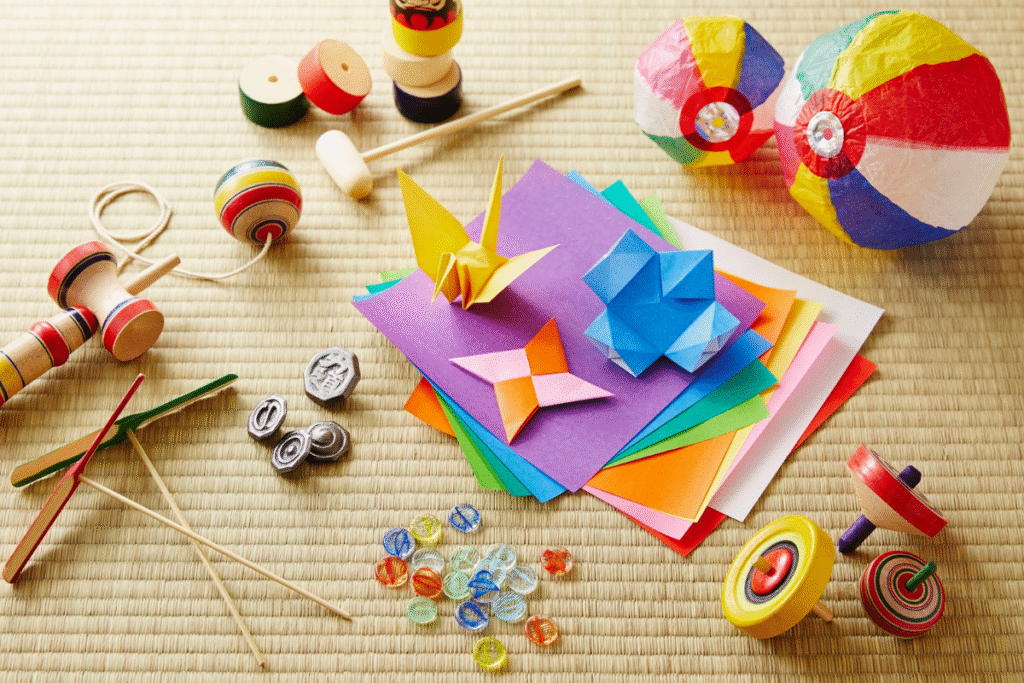
If you really want to know what’s going on in a family, don’t bother with personality tests, just look at the living room. The half‑built LEGO tower on the coffee table, the library books stacked beside the couch, the paintbrushes drying in a jar. These small details quietly reveal what gets attention. Children tend to return to whatever is easiest to see and reach, and over time, those visible cues shape what feels normal in a household. The environment is always teaching — even when we’re not.
The Power of What’s Within Reach
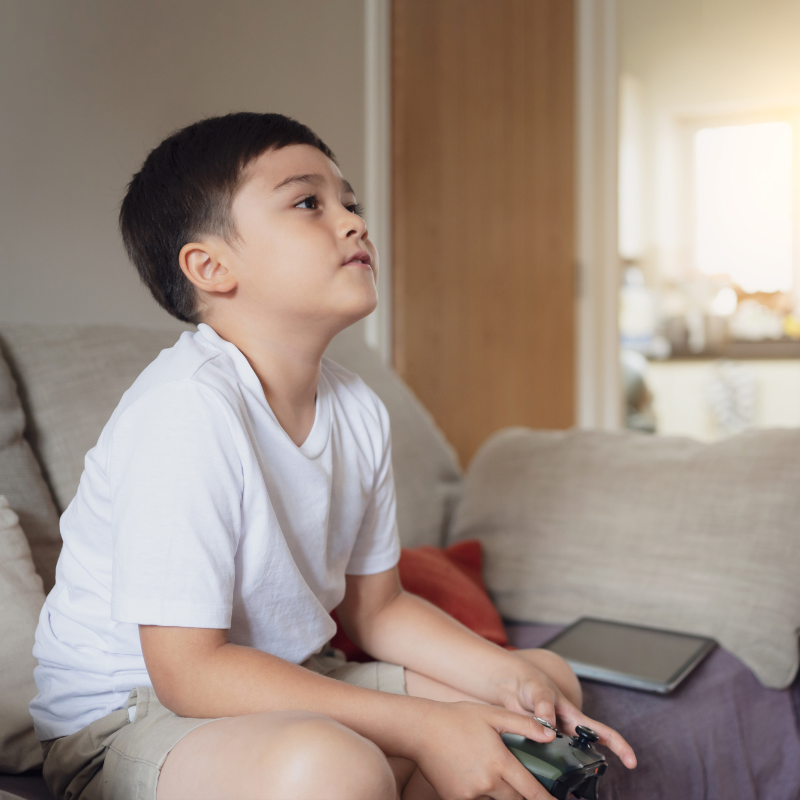
Behavioural scientists call this “choice architecture”: the idea that the way options are arranged influences what people choose. At home, this plays out in simple ways. A fruit bowl placed front and centre is more likely to be eaten from. A puzzle left open on the table is more likely to be continued. A tablet sitting on the bench is more likely to be picked up. None of these outcomes are guaranteed, but the environment nudges the odds. What’s within reach becomes what they reach for.
Creative Clutter (The Good Kind)
A little disorder can be a sign of a home where ideas are allowed to stretch out. When a drawing stays on the table overnight and gets new colours added the next day, that’s continuity. When the block tower becomes a castle, then a zoo, then a spaceship, that’s imagination evolving. When dress‑ups migrate from room to room, that’s storytelling in progress.
It may mean stepping over a plastic tiger on your way to the laundry, but that’s the tax we pay for raising humans who are engaged with the world rather than hypnotised by it.
Making the Good Stuff Easy
This isn’t about banning screens or policing every snack. It’s about tilting the environment so the things you value are easier to choose. Screens can live in a drawer rather than on display. Books can sit in small stacks in different rooms instead of waiting on a single shelf. Art supplies can be stored in open containers rather than hidden behind cupboard doors. When the enriching options are visible and accessible, they naturally become an easier part of the daily flow.
Respecting the Play
Tidiness has its place, but constant clearing can interrupt the deeper work of childhood. Leaving a project out for a day or two gives kids the chance to return to it, build on it, and follow their own momentum. It’s not about letting the house descend into chaos, it’s about recognising that some mess is simply evidence of thinking, experimenting, and growing.
What Surrounds Us Shapes Us
Children absorb their environment long before they can articulate it. What’s visible becomes familiar. What’s familiar becomes preferred. Over time, those preferences become habits. By making creativity, movement, stories, and connection easy to access, we quietly reinforce the values we hope will take root.
What’s within reach becomes what they reach for.



)