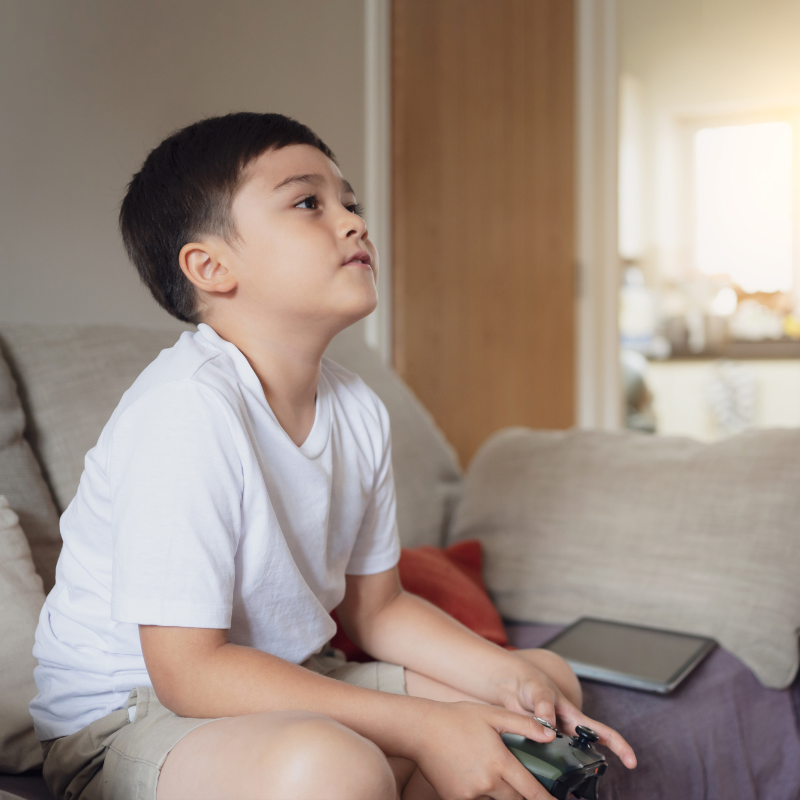

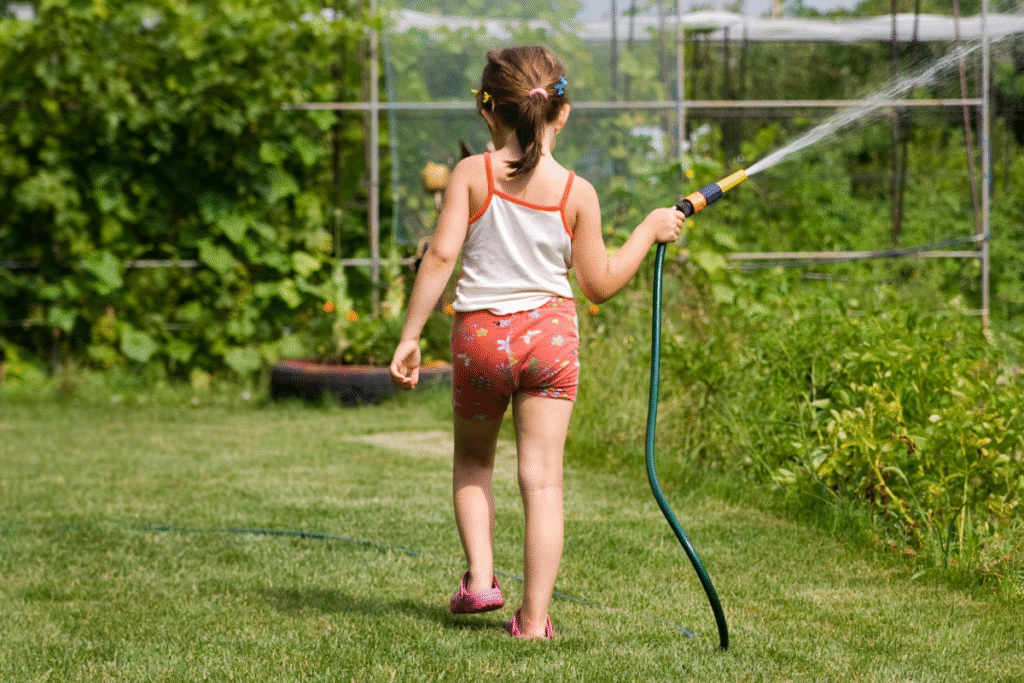
You finally get everyone out the door, hats on, snacks packed, enthusiasm… negotiable, only for your child to step into the great outdoors, look around, and announce, “There’s nothing to do.” And to them, it genuinely feels that way. Kids who spend most of their time in fast, structured, tap‑to‑reward environments can find nature suspiciously slow. No levels. No sparkles. No algorithm deciding what comes next.
Nature moves at a different pace, and kids aren’t wrong for feeling unsure. They just need practice. Like any skill, “being outside” is something they grow into through repetition, exposure, and a bit of gentle discomfort.
Let Boredom Do Its Job
Boredom isn’t a sign the outing has failed, it’s the warm‑up. The brain is shifting gears from “entertain me” to “what can I make of this?” That shift can involve dramatic sighing, declarations of doom, or insisting a leaf brushed their leg and now they must go home immediately.
But a little discomfort is part of the process. Wet socks, scratchy grass, a rogue gust of wind, these tiny annoyances help kids build resilience. They also teach that the world doesn’t exist to entertain them on demand.
Start Small (Like, Really Small)
You don’t need a forest or a curated nature activity. A backyard patch of grass, a local park, a tree stump, or a pile of rocks is enough. Kids don’t need a mission; they need space.
Try simple noticing:
- “This branch looks like it’s trying to escape.”
- “This rock is weirdly smooth.”
- “This puddle is definitely deeper than it looks.”
Curiosity spreads. When you show interest without an agenda, kids learn that exploring doesn’t require instructions or a reward screen.
Repetition Builds Magic
The first visit to a new outdoor spot might be a flop. The second might be slightly less of a flop. But the third, fifth, or tenth? That’s when the magic starts. Familiarity gives kids ownership. A random creek becomes their creek. A fallen log becomes the balance beam. A cluster of trees becomes the backdrop for an ongoing story only they understand.
Returning to the same places lets kids build a relationship with the environment, and with their own imagination.
Leave the Screens at Home (Yours Too)
If kids can’t have devices, neither can we. It’s tempting to bring your phone “just for photos” or “just in case,” but the moment a screen comes out — any screen — the energy shifts. Kids notice. Attention narrows. The present moment gets dimmer.
This doesn’t mean going full wilderness survival mode. Emergencies happen, and phones are useful tools. But “emergency” doesn’t mean “I might want to check something” or “the light is nice for a photo.” Set a clear boundary: the phone stays in the bag unless it’s genuinely needed. When kids see you fully present, they learn that being outside is worth your attention too.
Lower the Stakes
Parents often feel pressure to make outdoor time magical. But nature isn’t a theme park. It doesn’t guarantee thrills. Some days will be muddy, windy, or full of complaints. That doesn’t mean it’s not working.
Kids often need to detox from screens and structured activities before they can settle into the slower rhythm of the outdoors. Their imagination might feel rusty at first, but it’s still there, waiting for space.
Let Them Lead
The goal isn’t to raise miniature botanists who can identify moss varieties on sight. It’s to help kids discover that the world is interesting, and that they are capable of discovering it.
Give it time. One day, the same child who once stood frozen in a field saying “There’s nothing to do” will be the one dragging you down the path to show you a stick that is now, apparently, a sword/fishing rod/magic wand/dragon trainer.
Kids don’t need nature to entertain them. They need nature to ground them. To stretch their senses. To remind them that not everything comes with instructions or instant gratification.
And yes, you may step on a stick, get rained on, or carry someone’s shoes back to the car. But that’s the price we pay for raising humans who are engaged with the world rather than hypnotised by it.