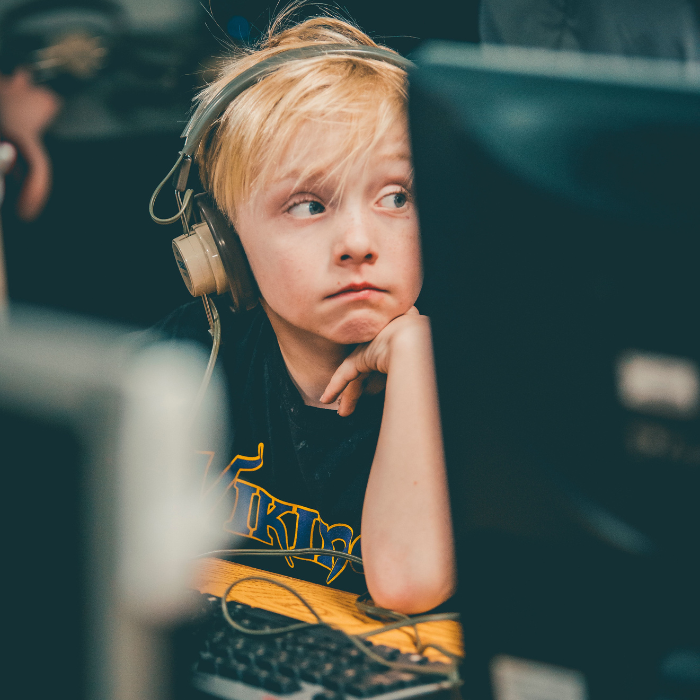


Are you keen to help your child but struggling to find their motivation? Here are some tips to make learning easier and more enjoyable for everyone.
The Challenges of Motivation
Parenting is an amazing journey, but it’s also frustrating when your child resists engaging in learning activities. Sometimes, fear of rejection or conflict can even discourage parents from trying to help.
One key is understanding control dynamics. Often, the issue lies in the perception of control and power. Acknowledging this dynamic and taking steps to minimise struggles can lead to breakthroughs.
Shifting Perspectives
What your child learns is less important than how they learn. Model lifelong learning by trying something new yourself—like baking, algebra, or even a new language. Share your challenges and invite your child to help you. This collaboration may inspire them to open up about their own learning experiences.
Figuring Out Their Learning Style
Every child learns differently. Identifying your child’s learning style (visual, auditory, or kinesthetic) can make a world of difference. For instance:
- A visual learner might benefit from diagrams or charts.
- An auditory learner may thrive with phonics or storytelling.
- A kinesthetic learner could engage with hands-on activities.
Focus on Interests
Choose topics your child is passionate about and integrate other disciplines into those interests. For example, a fascination with dinosaurs can include reading, writing stories, or calculating timelines.
Take Your Time
Patience is crucial. Learning takes time, and rushing your child can lead to anxiety and resistance. Listen for phrases like “I can’t” or “I won’t”—these often signal a need for reassurance and support.
Celebrate Exploration
Encourage your child to use resources creatively, even if it’s not the “right” way. Marvel at their ability to think outside the box and engage in divergent thinking.
Check in on Feelings
Ask your child how they’re feeling about a learning activity. Acknowledging their emotions strengthens your connection and teaches empathy. Reflecting their feelings back shows you’re truly listening and value their perspective.
Role-Reversal Learning
Let your child take on the role of teacher while you become the student. This exercise empowers them, provides insight into their understanding, and often leads to laughter and bonding.
Tools to Keep Learning Fun
- Use a “learning dial”: Create a visual tool with a happy face, grumpy face, and other expressions (e.g., tired) that help your child communicate their feelings about learning.
- Admit mistakes: Show that it’s okay to make mistakes by admitting your own and asking for help. Let your child guide you in solving a problem—it builds their confidence.
Encourage Effort
Dr. Carol Dweck’s Mindset emphasises the power of effort over talent. Praise your child’s persistence and encourage them to try again when things get tough. This builds resilience and a growth mindset, which can lead to greater happiness and success.
Child-Led Learning
Child-led learning doesn’t mean letting your child dictate everything. Instead, it’s about working together to create learning opportunities that inspire and empower them.
Motivating your child to learn is not about quick fixes but fostering a love of exploration, effort, and self-discovery. With patience, empathy, and creativity, you can build a learning environment where your child thrives and feels empowered to face challenges.
Kristina Jensen is a writer ‘all at sea’. She lives on a boat in the Marlborough Sounds with her artist husband and 8-year-old son. As a family, they advocate spending as much time in nature as possible.