

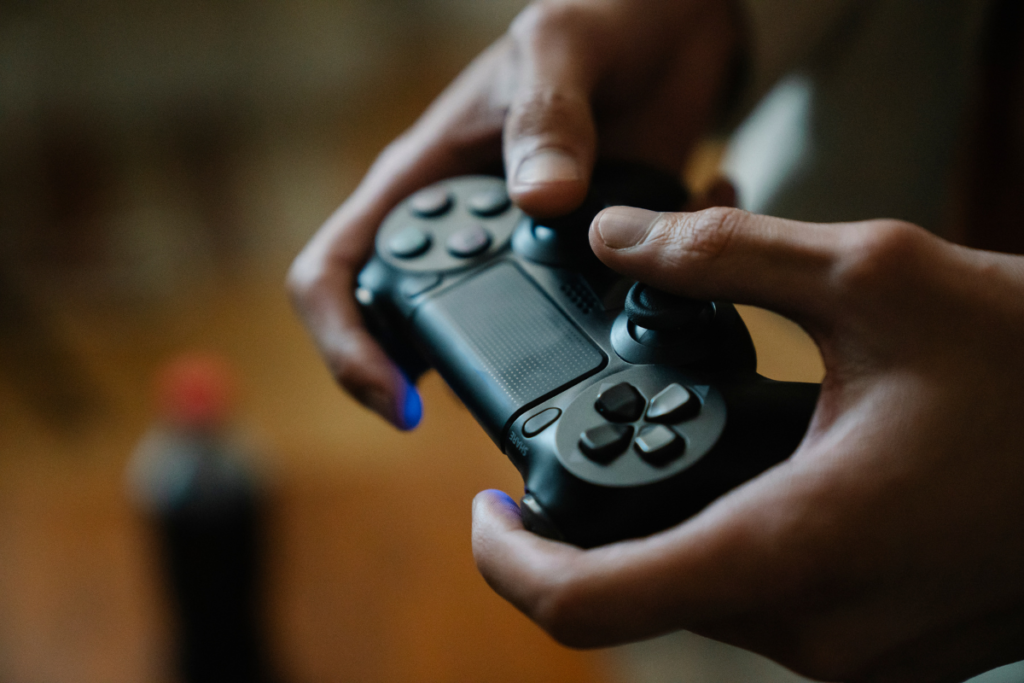
The kids are bored, and you’ve finally given in to their demands for a gaming setup. But with so many options available, should you go for a gaming console, or would a gaming PC be the better investment? Let’s break down the best choices for families in 2025.
We’re not here to tell you that gaming is a must-have, but many families see it as a fun and interactive way to spend time together. Whether it’s a casual racing game on a weekend, an educational puzzle game, or an online adventure with friends, gaming can be a great source of entertainment and even social development. As with anything, balance is key—with the right boundaries, gaming can be a positive and engaging part of your kids’ life.
Are Video Games Really Educational?
Video games can be interactive and engaging, often offering problem-solving challenges, hand-eye coordination training, and social opportunities. Some games even teach coding, creativity, and logic. However, as one parent puts it:
“The advertising insists these are educational, and in the heat of the moment, they look wonderfully educational. But educational compared to what? A book? A bike ride? Playing a board game?”
The key is balance. While games can support cognitive development, they shouldn’t replace physical play, reading, or family time.
The Hidden Risk: Gaming Can Be Addictive
Modern video games are designed to be immersive and rewarding—sometimes too rewarding. Parents often find themselves enforcing strict limits to ensure gaming doesn’t take over.
“If we had a PlayStation, my kids would forget how to run, I’d forget to cook, and my partner would have another excuse not to mow the lawn,” jokes one mum.
To keep screen time under control, take advantage of parental controls available on all consoles. These allow you to:
✅ Set limits on playtime
✅ Restrict online access
✅ Control which games can be played
Gaming as Quality Family Time
Not all gaming is isolating. Consoles like the Nintendo Switch encourage multiplayer interaction, making them great for family-friendly fun. Games like Mario Kart and Nintendo Switch Sports get the whole family involved—sometimes even reluctant parents!
“My husband wasn’t always sure how to bond with our kids, but gaming became ‘their thing’ and now they love it.”
Choosing the Right Console for Your Family
Each console has its strengths, and the best choice depends on your family’s gaming preferences, budget, and needs.
Nintendo Switch
✅ Best for: Families with young children, casual gamers, and those who enjoy multiplayer fun.
- Hybrid console: can be played handheld or connected to a TV.
- Huge library of family-friendly games (Super Mario Odyssey, Animal Crossing: New Horizons).
- Local multiplayer support makes it great for shared play.
- Easy-to-use parental controls.
- Less powerful hardware compared to PlayStation and Xbox.
- No built-in voice chat for online gaming.
Upcoming: Nintendo Switch 2 is expected later in 2025, with improved processing power and backward compatibility.
PlayStation 5
✅ Best for: Teenagers, serious gamers, and those who enjoy high-end graphics and immersive single-player experiences.
- Stunning graphics and fast load times.
- Strong lineup of exclusive games (Spider-Man 2, God of War: Ragnarok).
- Virtual reality (VR) support with PlayStation VR2.
- More expensive than other consoles.
- Requires an external SSD for additional storage if playing large games.
Xbox Series X | Xbox Series S
✅ Best for: Gamers who love online multiplayer, Game Pass subscribers, and those who want a powerful but flexible console.
- The most powerful hardware, delivering top-tier performance.
- Xbox Game Pass subscription offers access to hundreds of games.
- Backward compatibility with thousands of older Xbox games.
- Strong online multiplayer experience via Xbox Live.
- The Series X is bulkier and more expensive; the Series S is a budget-friendly alternative but lacks a disc drive.
Gaming PC
✅ Best for: Families with older kids who want flexibility, upgradability, and access to a bigger gaming library.
- Versatile: A gaming PC can be used for work, school, and entertainment beyond just gaming.
- Huge game selection: PC gaming platforms like Steam, Epic Games Store, and Xbox Game Pass for PC provide thousands of game options.
- Customisable: Unlike consoles, gaming PCs can be upgraded over time with better graphics cards, storage, and processors.
- Best graphics and frame rates: High-end PCs outperform consoles in speed and visual quality.
- Wide controller support: Use a keyboard and mouse or plug in controllers from Xbox and PlayStation.
- More complicated setup: PCs require more technical knowledge for setup, maintenance, and troubleshooting.
- Price can vary: Budget gaming PCs can be affordable, but high-performance setups can be very expensive.
How Much Gaming Time Is Too Much?
The rules will vary depending on your family, but here’s a general guideline based on age:
- Preschoolers (3–5 years): 15–30 minutes per session, a few times per week
- Ages 6–9: Up to 1 hour per day, focusing on interactive or educational games
- Ages 10–12: 1–2 hours, ensuring a balance with offline activities
- Teenagers: Flexible, but should include agreed-upon limits (e.g., no gaming before homework is done)
Many families also implement rules such as:
✔ No gaming during meals
✔ No screens an hour before bedtime
✔ A balance of screen time and outdoor activities
Top Tips for Parents Before Buying a Game
✅ Read the reviews – Don’t rely on the packaging. Look up what other parents say.
✅ Check the ESRB rating – E (Everyone), E10+ (10 and older), T (Teen), etc.
✅ Think long-term – Will your child still enjoy this game in a year?
✅ Consider offline vs. online play – Many games now require an internet connection.
What Research Says About Video Games
- Boys average about 2 hours of gaming daily, while girls play closer to 1 hour.
- Preschoolers play around 30 minutes a day, often in addition to 3.5 hours of TV.
- Frequent gaming can lead to poor dental health—not because of the games, but due to snacking habits.
- Shooting games may encourage aggressive behavior in some kids.
- Most kids handle gaming well, but a small percentage of children with pre-existing behavioral challenges may be at risk of video game addiction.
What Other Parents Say About Gaming
“It’s something to keep them busy on rainy weekends.”
“Want instant obedience? Threaten to put the Xbox in timeout!”
“Gaming has helped my son learn that you don’t always win in life.”
“His maths improved because of the number games he plays.”
“If you’re deciding between Xbox or PlayStation, buy what your child’s friends have—it makes multiplayer gaming easier.”
“Why buy a console? Our PC plays the same games!”
A gaming console can be a great investment, providing entertainment, learning, and even family bonding opportunities. But like anything else, it’s all about balance.
By choosing the right console for your child’s age, setting healthy limits, and making gaming a shared experience rather than an isolating one, you can ensure that video games remain a fun—and not all-consuming—part of family life.
By Yvonne Eve Walus